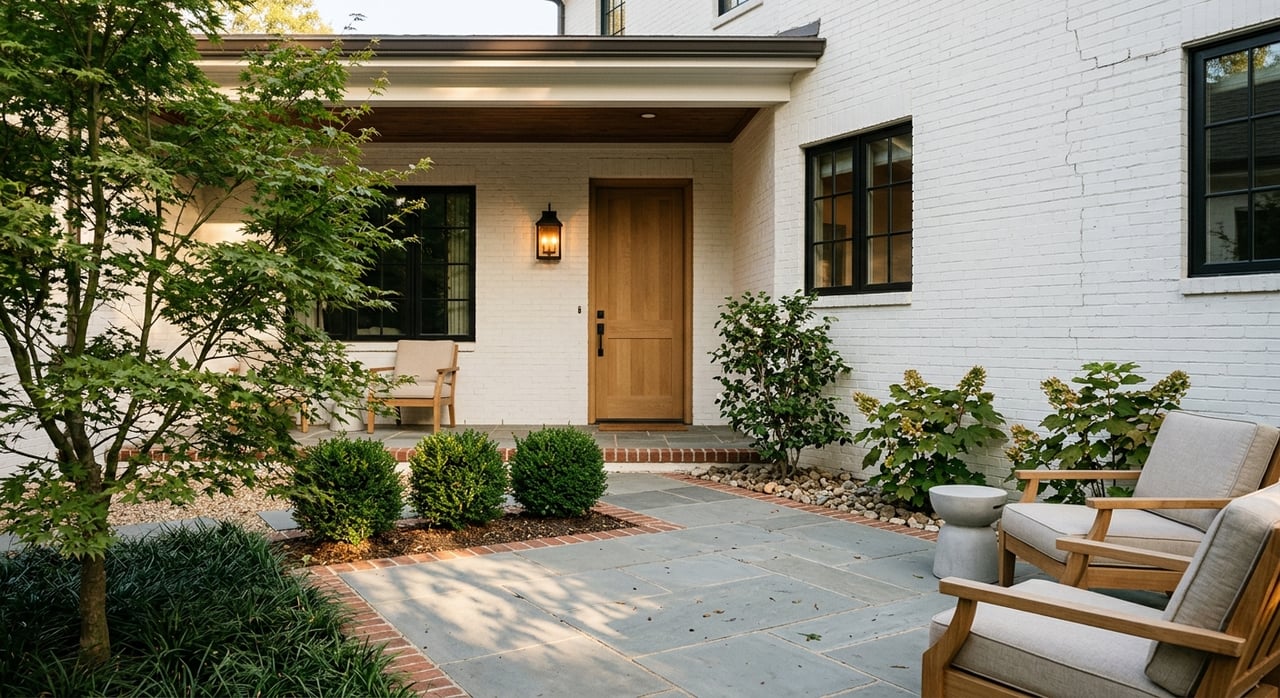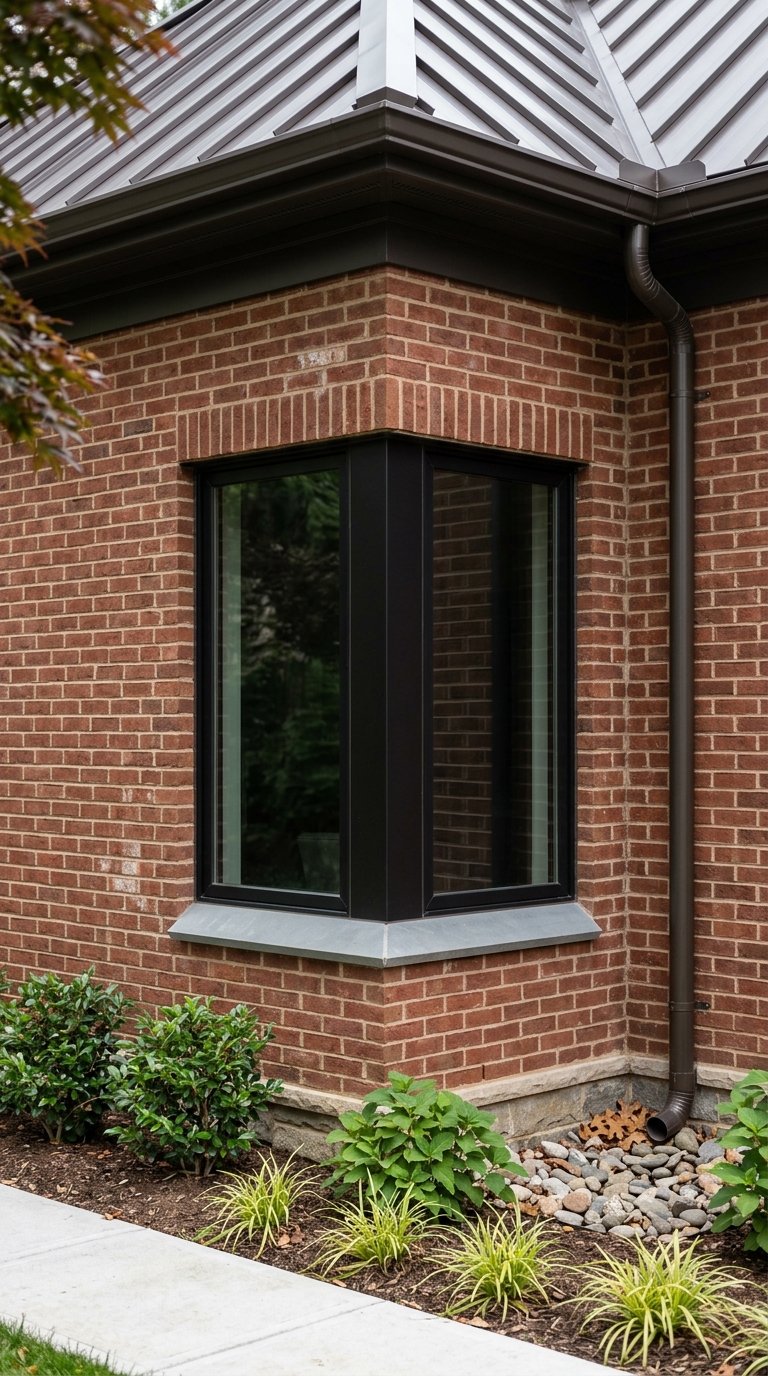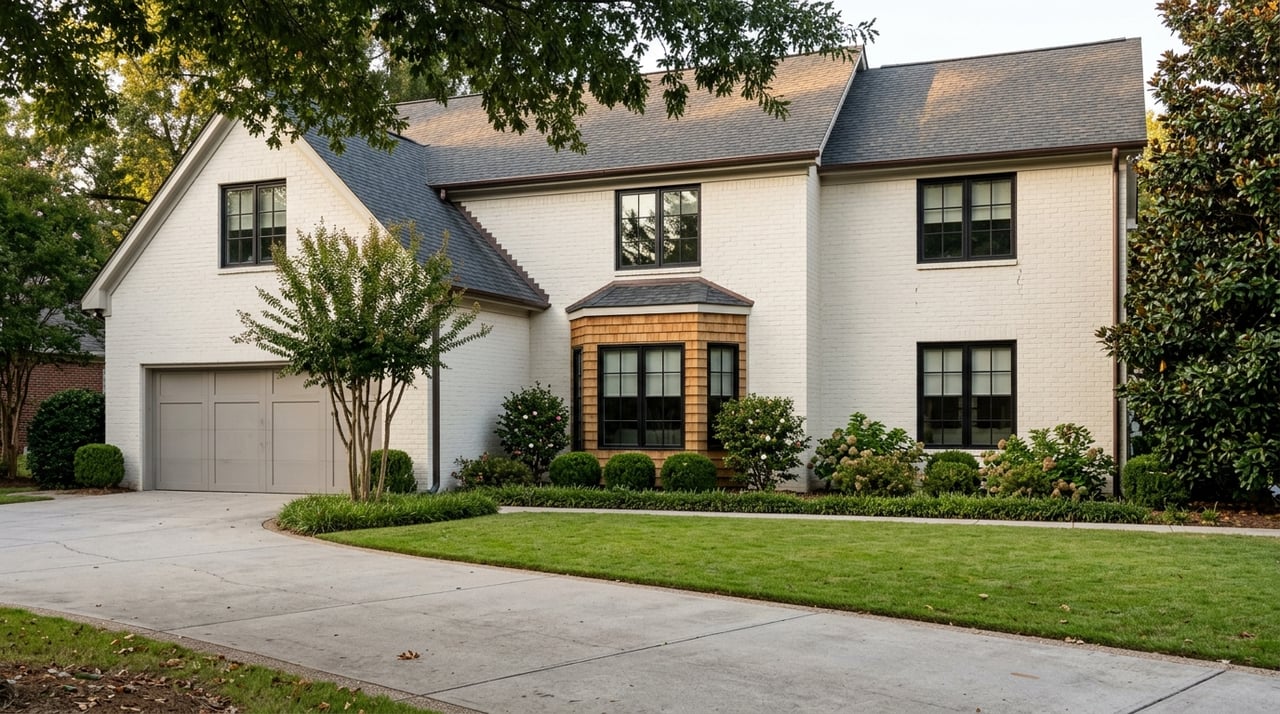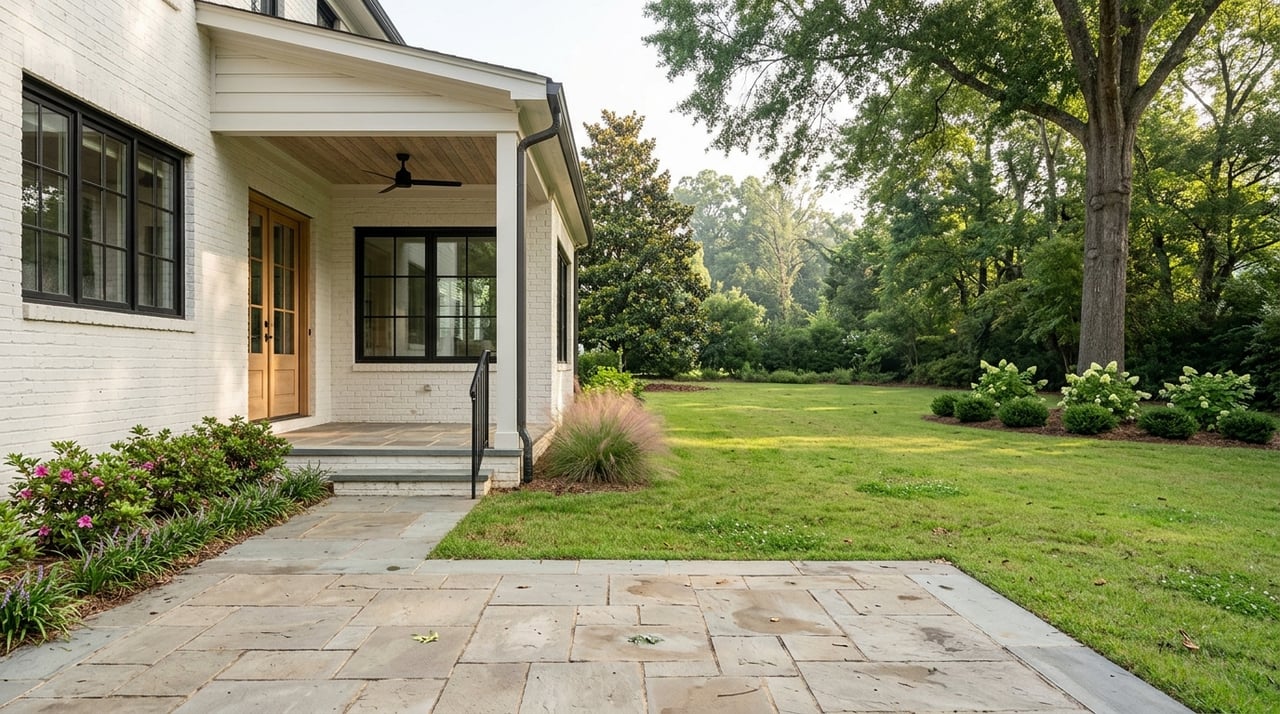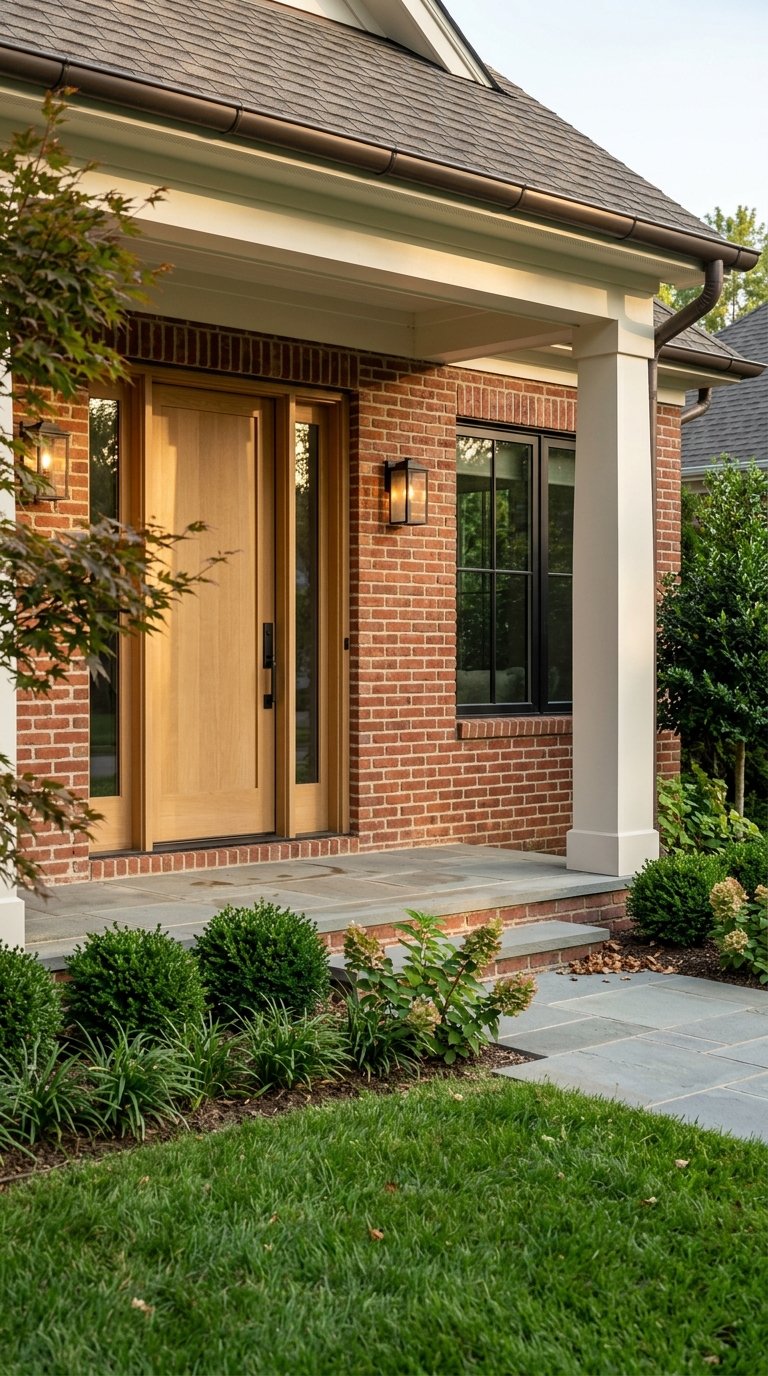
If you are deciding between a brand-new home and a resale home in Alpharetta, you are not just comparing age. You are comparing predictability, condition, monthly costs, and how much risk you want to take on after closing. In a market where prices are high and buyers pay close attention to updates and maintenance, the right choice often comes down to your priorities. Let’s dive in.
Why this choice matters in Alpharetta
Alpharetta is a market where details matter. Redfin’s Alpharetta housing market data reported a median sale price of $735,000 in February 2026 and 85 days on market, while Zillow’s March 31, 2026 snapshot showed an average home value of $726,349, 317 homes for sale, and homes going pending in about 48 days. These are different measures, but together they point to a market where buyers look closely at location, finish level, and likely future upkeep.
At this price point, even smaller differences in repairs, taxes, insurance, and HOA dues can have a real effect on your monthly budget. That is why comparing new construction vs resale homes in Alpharetta is about more than curb appeal. It is about choosing the kind of ownership experience that fits you best.
New construction: what you gain
One of the biggest benefits of new construction is predictability. A newly built home often gives you newer systems, updated finishes, and less immediate maintenance to worry about. For many buyers, that can create more peace of mind in the first few years of ownership.
Warranties are a major part of that appeal. According to the FTC’s guide to new-home warranties, builder warranties often cover workmanship and materials for one year on many components, HVAC, plumbing, and electrical systems for two years, and some major structural defects for up to 10 years. FHA and VA loans also require third-party warranties for newly built homes.
Energy performance can also be a plus, especially if the builder is using verified high-performance standards. The U.S. Department of Energy explains that ENERGY STAR-certified homes are built for efficient use of energy, water, and building materials, which can support comfort, durability, and lower utility and maintenance costs. DOE also notes that LEED-certified homes are designed to be more efficient and use less energy and water on average.
New construction: what to watch closely
A new home is not the same as a no-risk home. Builder warranties have limits, and the FTC notes that things like appliances, small cracks, and temporary living costs during repairs are often excluded. That means you still need to understand exactly what is and is not covered before you sign.
If the home is not yet complete, contract terms matter just as much as the house itself. The Consumer Financial Protection Bureau says builders may ask for an upfront builder deposit, and you do not have to use the builder’s affiliated lender. It is smart to compare financing options before you commit.
You should also expect a more formal process around permitting, inspections, and community rules. The City of Alpharetta’s building and construction process shows that residential construction goes through permitting and inspections, and the city works closely with homeowners associations. In practical terms, that means you should review HOA dues, community guidelines, drainage, lot specifics, and warranty terms with care.
Resale homes: what you gain
Resale homes offer something many buyers value highly: you can evaluate the actual home, lot, and setting before closing. You are not relying on plans, renderings, or a model home. You can see the street, the landscaping, the natural light, and the way the home lives day to day.
That visibility can make decision-making feel more grounded. A resale purchase also gives you the chance to focus on the exact condition of the property rather than relying on a builder’s future delivery timeline. For buyers who want a home in an established area or who simply prefer seeing the finished product upfront, that can be a major advantage.
Resale homes may also create more room for negotiation when condition issues come up. The CFPB’s home inspection guidance explains that if your contract includes a satisfactory inspection contingency, you may be able to renegotiate, ask for repairs or credits, or cancel the contract if serious flaws are found.
Resale homes: what to inspect carefully
The tradeoff with resale is condition risk. Even a well-kept home can have aging systems or deferred maintenance that are not obvious during a quick showing. That is why inspections are one of the most important parts of the process.
The CFPB recommends scheduling an independent home inspection as soon as possible so you can identify major problems before you are fully committed. In Alpharetta, that often means paying close attention to roof age, HVAC performance, plumbing, electrical systems, and foundation condition. Those items can have a major effect on your true cost of ownership after closing.
Older does not automatically mean worse, and new does not automatically mean perfect. The key difference is that resale homes usually shift your focus away from builder specs and warranty language and toward inspection results, repair history, and the seller’s willingness to negotiate.
Cost differences beyond the sale price
When buyers compare new construction and resale, sale price usually gets the most attention. But the better comparison looks at your full cash and monthly picture. That includes closing costs, earnest money, taxes, insurance, and HOA dues.
Fannie Mae explains that closing costs typically run 2% to 5% of the purchase price, and earnest money often runs 1% to 3%. On a home in the current Alpharetta price range, that can mean a meaningful five-figure cash requirement before you even think about moving expenses or future repairs.
Your monthly payment can also include more than principal and interest. Fannie Mae notes that property taxes, insurance, PMI, and HOA fees may all be part of your housing payment. Fulton County’s FY2026 budget kept the county property-tax rate at 8.87 mills, and the City of Alpharetta maintains local property tax and homestead exemption resources. Those recurring costs matter whether you buy new or resale.
Which option fits your goals?
New construction is often a better fit if you want more predictable near-term maintenance, modern systems, and a stronger preference for updated finishes. It can also appeal to buyers who value energy efficiency and a more streamlined move-in experience. The tradeoff is that you need to read the contract carefully and understand the builder’s process, warranty limits, and community costs.
Resale may be a better fit if you want to evaluate the exact house before closing, care about visible lot and setting details, or want the ability to negotiate based on inspection findings. It can also make sense if you are comfortable taking on some maintenance risk in exchange for more visibility into what you are buying.
In Alpharetta, this is rarely a simple age question. It is a decision about quality, costs, timing, and how confident you feel about what comes next.
A practical way to compare homes
If you are weighing both options, use the same checklist every time you compare a property:
- Purchase price
- Closing costs and earnest money
- Property taxes
- Insurance
- HOA dues and community rules
- Age and condition of major systems
- Warranty coverage, if any
- Inspection findings
- Expected repairs in the first 1 to 3 years
- How long you plan to stay in the home
That kind of side-by-side review usually makes the right choice much clearer. It also helps you avoid focusing too much on finishes while missing the bigger ownership picture.
Whether you are drawn to a brand-new build or a resale with character and proven livability, the smartest move is to evaluate the home beyond the listing photos. That is where construction-informed guidance can make a real difference. If you want help weighing quality, maintenance risk, and long-term value in Alpharetta, connect with Wesley Harper for clear options and steady guidance.
FAQs
Should you get an inspection on a new construction home in Alpharetta?
- Yes. The CFPB says you should schedule an independent home inspection as soon as possible, and that applies even to brand-new homes.
What does a new construction warranty usually cover?
- The FTC says builder warranties often cover workmanship and materials for one year, major systems like HVAC, plumbing, and electrical for two years, and some structural defects for up to 10 years, but coverage limits apply.
Can you negotiate repairs on a resale home in Alpharetta?
- Yes. If your contract includes an inspection contingency, the CFPB says you may be able to renegotiate, request repairs or credits, or cancel if serious issues are found.
Are HOA fees part of your monthly housing cost in Alpharetta?
- Yes. Fannie Mae notes that HOA fees can be part of your monthly housing payment, along with taxes, insurance, and possibly PMI.
What costs should you compare when choosing between new construction and resale homes?
- Compare the purchase price, closing costs, earnest money, taxes, insurance, HOA dues, warranty coverage, inspection findings, and expected maintenance in the first few years.