If you are looking for a value-add investment home in Alpharetta, you already know this is not a market where every dated house is a bargain. Prices remain high, buyers are selective, and the wrong renovation plan can erase your margin fast. The good news is that Alpharetta still offers real opportunities if you focus on the right property type, the right location, and the right level of work. Let’s dive in.
Why Alpharetta Still Offers Opportunity
Alpharetta is a premium North Fulton market with strong housing demand. The U.S. Census reports a median household income of $147,612 for 2020 through 2024, which helps support a market where updated homes can command strong interest.
At the same time, this is not a market where you can count on easy appreciation to rescue a weak deal. Redfin’s March 2026 snapshot shows a median sale price of $724,000, down 5.4% year over year, while Zillow reports an average home value of $726,349 and homes pending in about 48 days. That combination suggests a market with real value, but one where condition, presentation, and location still matter.
For you as an investor or renovation-minded buyer, that is an important distinction. In Alpharetta, value-add usually comes from improving a well-chosen property, not from buying anything old and hoping the market does the rest.
What Homes Have the Best Value-Add Potential?
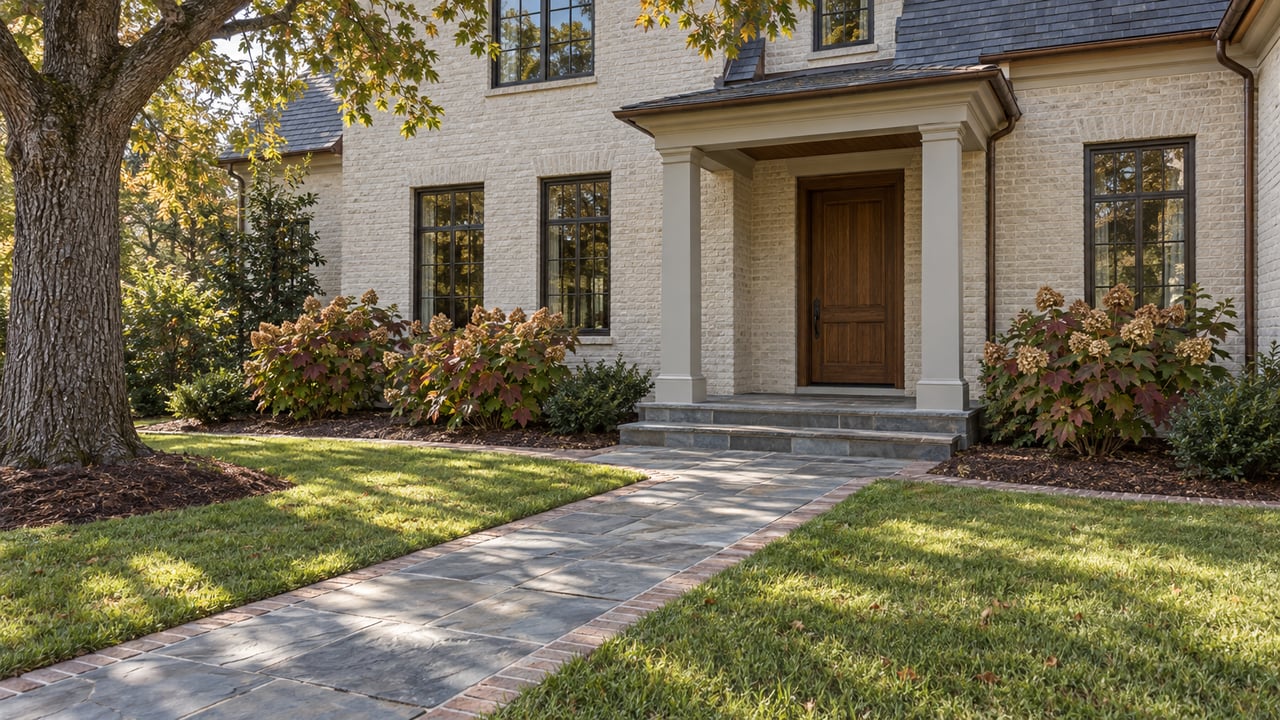
The most common opportunities in Alpharetta tend to be single-family homes with dated finishes rather than major structural problems. According to the city’s rental housing study update, 95% of owner-occupied housing stock is single-family, and much of the city’s housing was built between 1980 and 1999.
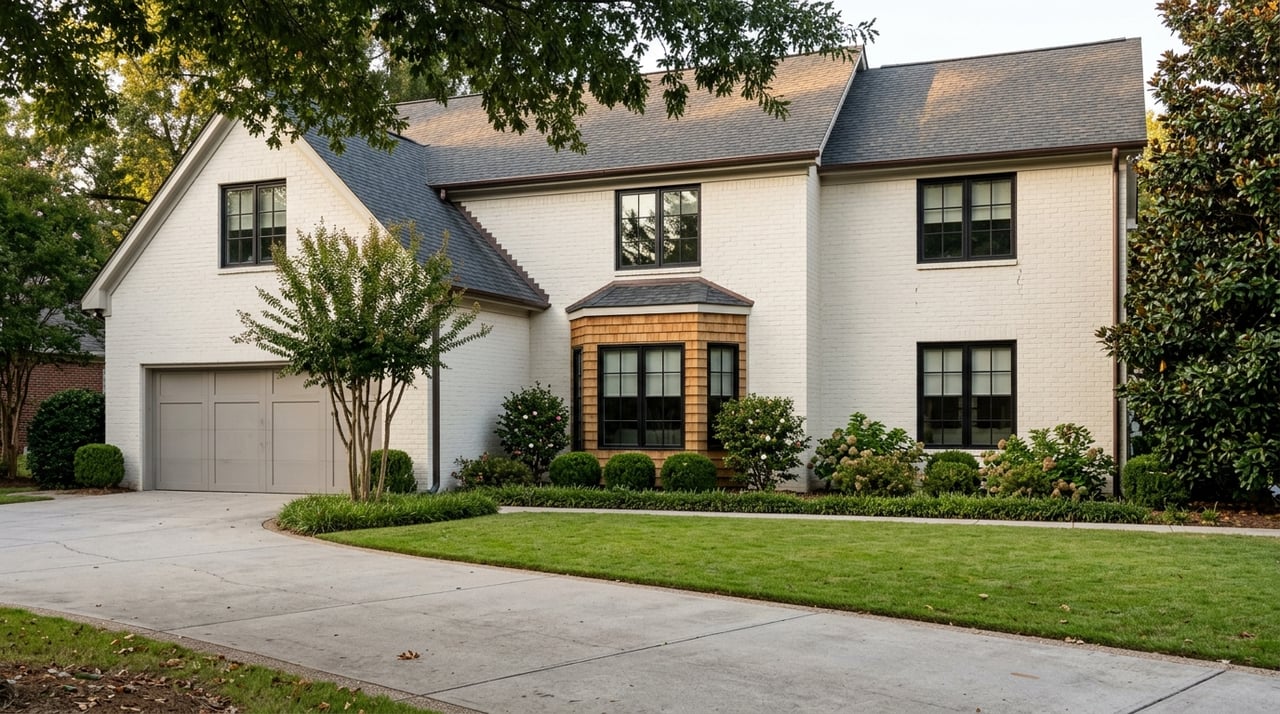
That age profile matters because it often creates a very specific kind of upside. Many homes have solid footprints and established lots, but still need updates to kitchens, bathrooms, flooring, paint, lighting, or layout flow. Those projects are often more predictable than large additions or full structural rebuilds.
The same housing inventory shows 13,778 single-family detached units and 1,525 single-family attached units in 2019. That makes detached homes, along with some well-located attached homes or townhomes, the most natural targets for a value-add strategy in Alpharetta.
Focus on Cosmetic to Moderate Rehab
In this market, the safer projects are usually the ones with a good lot, a workable floor plan, and deferred maintenance that can be fixed without major site disruption. Think cosmetic upgrades, systems updates, and selective design improvements that make the home feel current.
That approach fits Alpharetta’s housing stock and land dynamics. The city notes that land is expensive and development sites are limited, so thoughtful renovation and infill positioning often make more sense than assuming you can create value through aggressive redevelopment.
Look for Layout, Lot, and Livability
When you walk a potential investment property, focus on the bones first. A home with a functional layout, usable outdoor space, and a location that appeals to future buyers often gives you more room for profitable improvement than a home with flashy surface issues but deeper functional problems.
Wesley Harper’s construction-informed approach is especially helpful here. In a market like Alpharetta, understanding what is cosmetic versus what could become a costly structural or site issue can make a major difference in your numbers.
Where to Look in Alpharetta
Location drives exit strategy in every market, and Alpharetta is no exception. The city’s planning framework points to a few areas where redevelopment, walkability, and long-term appeal may support stronger resale interest.
The City of Alpharetta’s Downtown Overlay District is intended to encourage development and redevelopment in Historic Downtown Alpharetta. The North Point Activity Center LCI Plan also reflects planning attention in one of the city’s major regional activity centers.
For you, that matters because homes near places where the city is already investing planning energy often have broader buyer appeal. Buyers are not just comparing square footage. They are also comparing convenience, connectivity, and the overall feel of the area.
Downtown and Amenity-Linked Areas
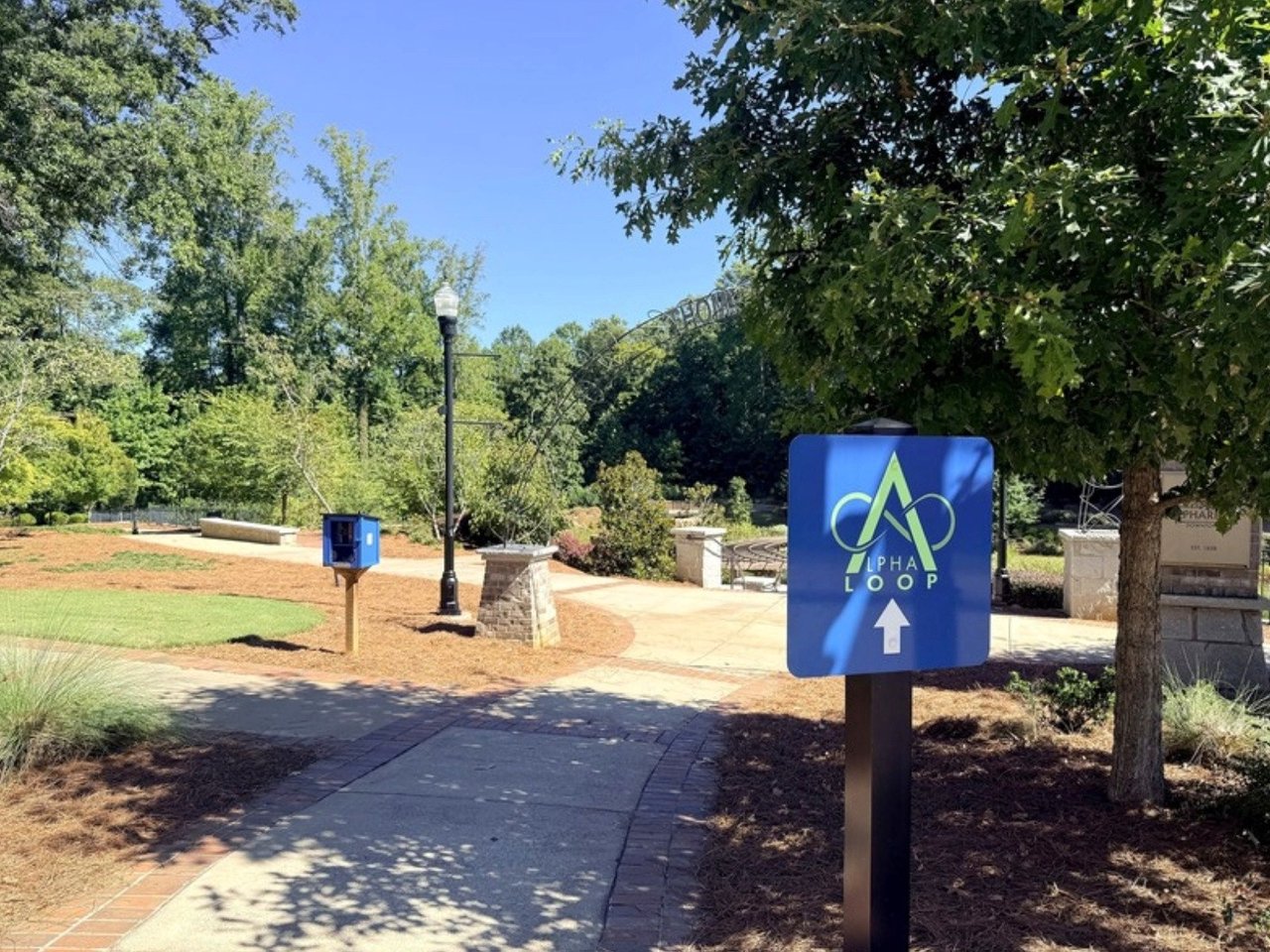
Downtown Alpharetta is known as a walkable district with local shops, restaurants, trails, and historic markers. The Alpha Loop connects Downtown, Avalon, the North Point Eco District, and Northwinds, which strengthens the appeal of homes near these activity centers.
As a practical rule, homes that sit closer to these amenity clusters may have a stronger exit market than similar homes farther away. That does not mean every nearby property is a deal, but it does mean location can amplify the impact of smart improvements.
Access Still Matters
Alpharetta also benefits from regional access. Georgia 400 connects the city to metro Atlanta, and Alpharetta sits about 22 miles north of Atlanta.
That access helps support a broad buyer pool, which can matter when it is time to sell. A home with good access plus thoughtful updates often stands out more than one with a bigger renovation budget in a less convenient setting.
What Can Kill a Value-Add Deal?
The biggest risks in Alpharetta are often not the ones you see in the kitchen or primary bath. Hidden site issues, permitting complexity, and neighborhood restrictions can turn a promising project into a much more expensive one.
This is where careful underwriting matters most. Before you get attached to a property, make sure you understand the lot, the local rules, and the true scope of work.
Floodplain and Stormwater Concerns
Alpharetta maintains both a Floodplain Information page and a Stormwater Program. If a property sits near streams, drainage corridors, or lower-lying areas, you may face added design, permitting, insurance, or repair considerations.
That means a home that looks like a simple cosmetic project may not be simple at all. Site conditions can change your timeline and budget quickly, so it is smart to screen them early.
Tree Removal and Site Work
Tree work is another common hidden cost. Alpharetta’s tree-removal permit instructions require tree-by-tree information and note a maximum of 25 trees per permit.
That tells you something important about local projects. If your plan depends on major clearing, regrading, or heavy site changes, you should treat that as a serious cost and time factor from day one.
Permits and Project Coordination
Residential work in Alpharetta runs through a local permitting process. The city’s Construction and Inspections and Trade Permits pages show that electrical, plumbing, mechanical, and structural work may require coordination even when the visible renovation looks modest.
In other words, do not assume a fast, informal project path. If your budget only works when everything goes perfectly and moves quickly, the deal may not be strong enough.
HOA Rules and Review Processes
The city also notes that it works closely with homeowners associations and neighborhood organizations. In many Alpharetta neighborhoods, that means renovation plans may be affected by HOA communication, approval processes, or community rules.
Exterior changes, additions, fences, landscaping, and scheduling can all be affected. If your upside depends heavily on outside changes, review neighborhood requirements early instead of treating them as a later detail.
Property Tax Assumptions
Fulton County states that properties are assessed annually at fair market value, and owners have 45 days from the notice of assessment to appeal. The county also explains that homestead exemptions apply to homeowners who occupy the property as a primary residence.
For investors, that means you should not underwrite a deal using owner-occupant tax assumptions. Your actual holding costs may look different, and that difference can affect your returns.
A Smart Alpharetta Investment Checklist
Before you move forward on a value-add home in Alpharetta, it helps to keep your analysis simple and disciplined.
What to confirm first
- Is the home in a location with strong resale appeal, especially near Downtown, Avalon, North Point, or other amenity-linked areas?
- Does the property have a good lot and a workable floor plan?
- Is the value-add mostly cosmetic to moderate, rather than dependent on major structural or site work?
- Have you checked for floodplain, drainage, or stormwater concerns?
- Will tree removal or grading add cost or delays?
- Are HOA rules likely to affect your renovation plan?
- Have you accounted for local permits and realistic tax treatment?
If most of those answers are favorable, you may be looking at the kind of project Alpharetta rewards. If several answers are uncertain, the risk may be higher than the listing price suggests.
The Best Strategy in Alpharetta
In a market like Alpharetta, the cleanest value-add deals are often the least dramatic ones. A well-located home with dated finishes, a functional layout, and manageable improvement needs will usually offer a better risk-adjusted opportunity than a property that requires major land work, extensive exterior changes, or complex approvals.
That is why local knowledge and construction judgment matter so much here. You want to know not just what a home could look like after renovation, but what it will realistically take to get there.
If you are weighing investment properties or renovation opportunities in Alpharetta, a calm, informed evaluation can save you from expensive mistakes. When you want guidance grounded in local market knowledge and real construction insight, connect with Wesley Harper to talk through your next move.
FAQs
What type of investment home has the best upside in Alpharetta?
- The most likely candidates are older detached homes or select townhomes in established areas with usable lots, workable layouts, and mostly cosmetic or moderate rehab needs.
Where should you focus first for value-add homes in Alpharetta?
- Start with areas tied to Alpharetta’s walkability and redevelopment momentum, including Downtown Alpharetta and corridors connected to Avalon and North Point.
What are the biggest risks when buying a fixer-upper in Alpharetta?
- The biggest risks often include floodplain or drainage issues, heavy tree clearing, grading costs, HOA restrictions, permitting delays, and incorrect property tax assumptions.
Why do cosmetic rehabs often make more sense than major overhauls in Alpharetta?
- Alpharetta’s housing stock and land costs often favor projects that improve dated homes with solid layouts rather than deals that depend on major structural changes or extensive site work.
How can you tell if an Alpharetta investment home is overpriced for the work needed?
- A property may be overpriced if the renovation plan depends on too many unknowns, especially site issues, permits, exterior approvals, or costs that are not obvious during a first walk-through.