If a home in Milton looks beautifully updated, it is easy to assume the quality behind the walls matches the finishes you can see. In reality, many homes in this market are old enough that drainage, roofing, HVAC, plumbing, and maintenance history can matter more than fresh paint or new countertops. If you are buying in Milton, a smart build-quality review can help you avoid expensive surprises and feel more confident about your decision. Let’s dive in.
Why build quality matters in Milton
Milton’s housing stock is shaped by low-density residential development, and the city’s 2040 market analysis estimated the median year structure built at 2000. That means many buyers are looking at homes that are now more than 20 years old, even when they present as updated or move-in ready.
That age alone is not a problem. What matters is whether the home has been maintained well, updated appropriately, and protected from the kinds of issues that tend to show up over time.
Milton also has a current code environment for new construction and qualifying renovations that includes the 2024 IRC, 2024 IBC, 2024 IPC, 2024 IMC, 2024 Fuel Gas Code, 2024 Fire Code, 2023 NEC, and 2015 IECC. So if you are comparing an older home with a newer or recently renovated one, it helps to remember that a stylish update does not automatically mean the work reflects today’s standards.
Start with the outside first
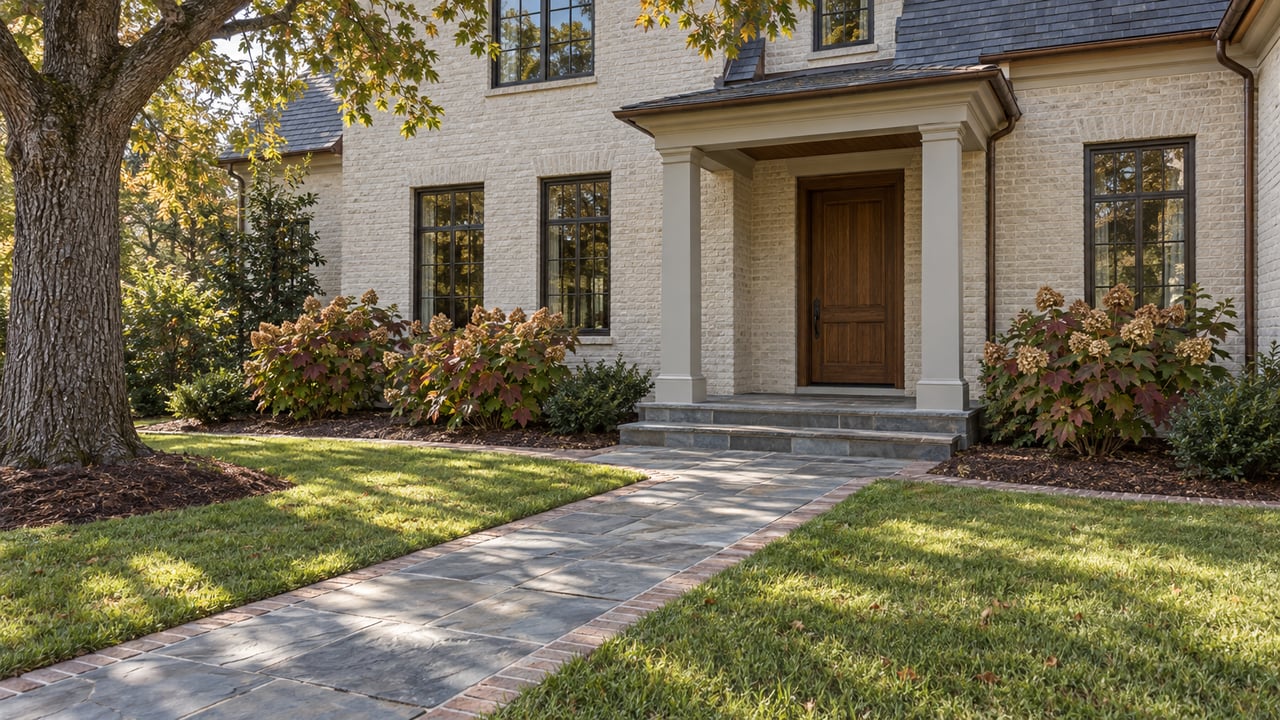
When you evaluate build quality, the first question is simple: How well does this house manage water? In Milton, that question deserves real weight because site drainage and exterior water management often matter more on larger lots than they do in denser housing patterns.
A strong walk-through should begin with grading, gutters, downspouts, and the way water appears to move away from the house. You should also pay attention to any signs of standing water, erosion, damp areas near the foundation, or heavy landscaping that may hold moisture too close to the structure.
If the home has a crawlspace or basement, look for signs of past or current moisture. A dry-looking interior with a damp crawlspace, musty smell, or staining at the foundation can point to a larger water-management issue that deserves closer review.
Site drainage checks
As you walk the property, look for:
- Soil that slopes away from the home
- Downspouts that direct water away from the foundation
- Signs of pooling water or washed-out mulch beds
- Dampness or staining around crawlspace vents or basement walls
- Retaining or landscaping features that may trap water
These details are not glamorous, but they often tell you more about long-term build quality than cosmetic updates inside.
Focus on the building envelope
Once you have looked at the site, shift your attention to the shell of the home. The parts that keep water out and help the structure perform over time usually deserve more attention than finishes.
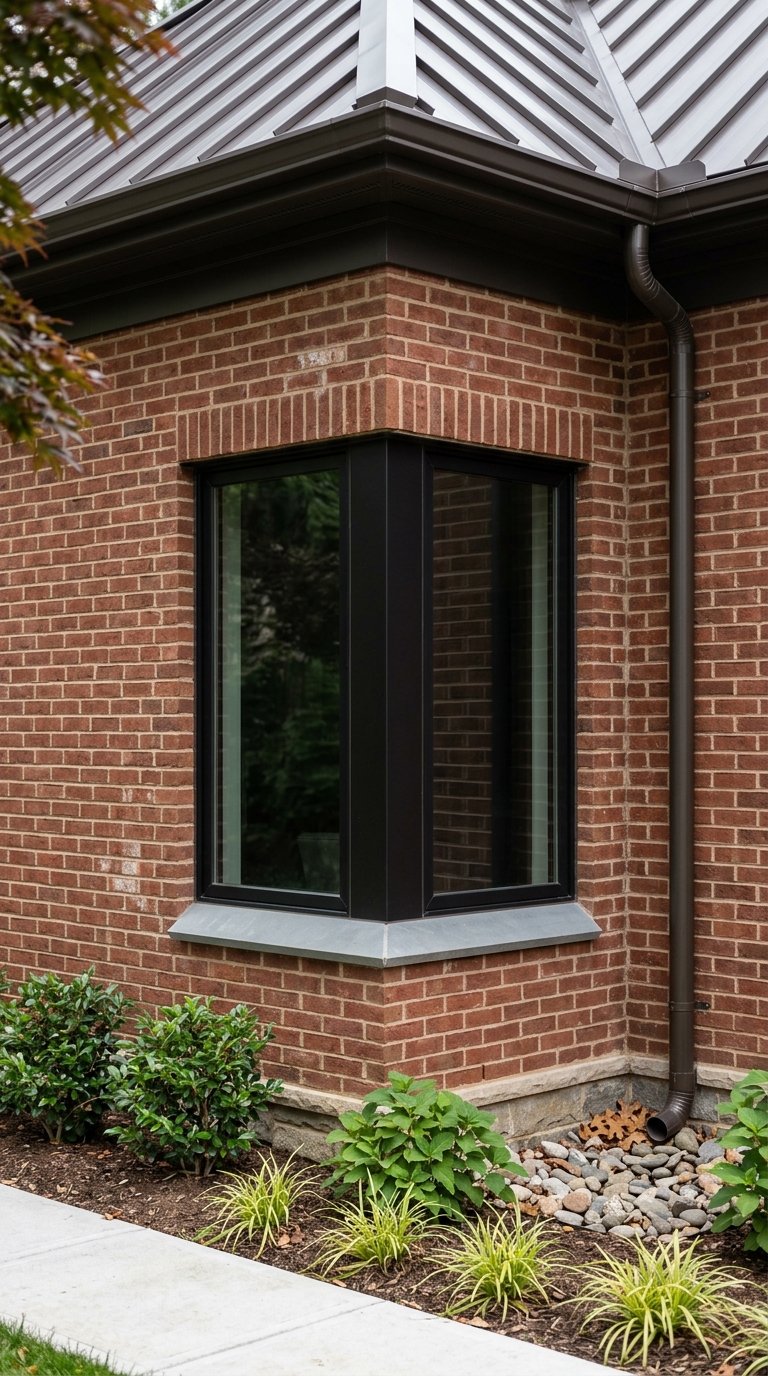
In practical terms, that means roofing materials, roof drainage, flashing, skylights, chimneys, wall penetrations, attic ventilation, and ventilation in foundation areas. These are the areas where poor workmanship or deferred maintenance can create bigger problems later.
A home can have an attractive kitchen and still have weak flashing details, aging roof components, or poorly managed ventilation. That is why experienced buyers try to rank the enclosure first, the systems second, and cosmetics last.
Exterior details worth extra attention
Pay close attention to:
- Roof condition and signs of past leaks
- Flashing around chimneys, skylights, and roof transitions
- Gutter performance and roof runoff control
- Cracks or gaps around exterior penetrations
- Evidence of repeated caulking or patching at windows and doors
- Attic or foundation ventilation details
These are often better indicators of workmanship than fresh paint or decorative finishes.
Don’t confuse cosmetic updates with quality
Milton requires permits for many substantial residential projects, including new homes, additions, structural renovations, basement, attic, or bonus-room finishes, detached accessory structures, and changes to plumbing, electrical, or HVAC systems. By contrast, cosmetic work such as painting, floor coverings, cabinets, countertops, and routine maintenance generally does not require a permit.
That distinction matters when you are evaluating a renovated property. A home may look fresh and current, but if the meaningful work involved systems or structure, there should often be a permit trail and final inspections to support it.
This is one of the easiest places for buyers to get distracted. A polished remodel can create confidence, but the real question is whether the renovation was integrated well and handled properly behind the scenes.
Signs of stronger renovation quality
Good signs can include:
- Neat routing of plumbing and electrical work
- Properly supported mechanical runs
- Accessible shutoffs
- Clean trim transitions
- Consistent finish quality around openings and fixture changes
- No visible signs of repeated patching around the same areas
If the work looks uneven, patched, or improvised, that does not automatically mean the house is a bad purchase. It does mean you should ask more questions.
Age matters more than many buyers think
Because Milton’s median year structure built was 2000, many homes should be approached as 20-plus-year-old assets unless they have been fully rebuilt or substantially updated. That mindset helps you ask the right questions.
Instead of asking whether the home is old, ask whether it has been maintained appropriately for its age. That means looking beyond finishes and finding out what has been replaced, repaired, or upgraded over time.
For many buyers, the most important components to track are:
- Roof
- HVAC systems
- Water heater
- Windows
- Drainage improvements
- Crawlspace or basement moisture work
A house can still be an excellent fit if some of these items are older. You just want a clear picture of condition, expected maintenance, and likely near-term costs.
In Milton, termites deserve real attention
Georgia sits in the termite belt, and subterranean termite pressure is a real concern in the Southeast. In Milton, that means buyers should give extra weight to crawlspace conditions, wood-to-ground contact, moisture control, and any evidence of past treatment or damage.
This is especially important because termite and moisture issues can overlap. If a property holds water poorly or has damp hidden areas, the risk picture changes even if the home shows well during a quick tour.
What to look for around termite risk
Watch for:
- Wood touching soil
- Damp crawlspaces
- Poor drainage near the home
- Signs of prior repair in lower framing areas
- Documentation for past termite treatment or damage repair
A clean presentation should never replace a close look at these basics.
How to read an inspection report wisely
A home inspection is best treated as triage, not a verdict. It helps you sort issues by importance, decide what needs more investigation, and negotiate with better information.
That matters because inspection findings should be read in context. The goal is not to expect a 20-plus-year-old house to perform like a brand-new one. The goal is to understand what is cosmetic, what is routine maintenance, and what could affect safety, structure, moisture, or major systems.
Higher-priority red flags
In Milton, bigger concerns usually include:
- Active water intrusion
- Roof leaks
- Repeated settlement or structural movement
- Unpermitted structural work
- Unpermitted electrical, plumbing, or HVAC changes
- Unsafe electrical conditions
- Termite-related damage
These issues deserve more weight because they can be expensive, disruptive, or both.
Lower-priority findings
Lower-priority items are often things like:
- Cosmetic wear
- Dated finishes
- Minor maintenance items
- Isolated issues common for homes of the same age
Those findings still matter, but they usually should not be grouped with more serious concerns.
Smart questions to ask before you buy
Before you make an offer on a home in Milton, try to get clarity on the history that affects build quality most.
Ask questions like:
- What major components have been replaced, and when?
- Were any renovations permitted and final-inspected?
- Is there documentation for roof, HVAC, plumbing, electrical, waterproofing, or termite work?
- Were drainage or moisture fixes installed to solve a recurring problem?
Clear answers can help you separate a well-maintained home from one that simply photographs well.
A practical way to evaluate a Milton home
If you want a simple framework, use this order: shell first, systems second, cosmetics third. Start with drainage, roof, flashing, ventilation, and moisture control. Then evaluate HVAC, plumbing, electrical, and water heater history. After that, consider the finishes and design updates.
That approach tends to create better decisions because it keeps your focus on the things that most affect long-term cost and performance. In a market like Milton, where many homes were built around the turn of the century and renovation activity is common, that discipline matters.
A beautiful home can absolutely be a great purchase. You just want the quality behind the beauty to support the price you are paying.
If you want a calm, construction-informed perspective as you evaluate homes in Milton, Wesley Harper can help you look past surface updates and make a confident decision.
FAQs
What should buyers inspect first when evaluating build quality in Milton?
- Start with site drainage, gutters, downspouts, foundation or crawlspace conditions, and any signs of moisture intrusion before focusing on interior finishes.
How old are many homes in Milton, Georgia?
- Milton’s 2040 market analysis estimated the median year structure built at 2000, which means many homes on the market are now more than 20 years old.
Do renovations in Milton, Georgia usually require permits?
- Many substantial residential projects do, including additions, structural renovations, basement or attic finishes, accessory structures, and changes to plumbing, electrical, or HVAC systems.
What build-quality problems matter most in Milton homes?
- Water management, roof and flashing details, moisture control, permit history, workmanship on renovations, unsafe system changes, and termite-related concerns usually deserve the most attention.
Why do termite issues matter when buying a home in Milton?
- Georgia has real subterranean termite pressure, so moisture conditions, crawlspaces, wood-to-ground contact, and past treatment or damage should be reviewed carefully.
How should buyers read a home inspection report for a Milton property?
- Treat it as a tool for prioritizing issues and deciding what needs follow-up, not as a simple pass-or-fail judgment on whether you should buy the home.