On November 2, 2026, Fannie Mae and Freddie Mac began requiring a new appraisal report. The report looks different, asks more questions about the house, and records things the old form never did, such as the estimated age of the roof, whether and when each kitchen and bath was updated, and each defect the appraiser sees, with a photo.
Most buyers and sellers will never read an appraisal report. But what goes into it can decide whether a contract holds at the agreed price. Here is what changed, what it means if you're selling a home in Milton, Alpharetta, Roswell, Johns Creek or Cumming, and what to have ready before the appraiser or data collector rings the bell.
What changed
One report instead of fourteen. The familiar forms (the 1004 for single-family homes, the 1073 for condos, the 2055 drive-by, the 1025 for two-to-four units and others) are being replaced by a single "Uniform Residential Appraisal Report" built on a new data standard called UAD 3.6. Instead of boxes on a fixed page, the new report adjusts to the property, and nearly everything in it is structured data a lender's system can read.
The switch is not instant. The November 2 date stood, but in late September Fannie Mae and Freddie Mac offered lenders that weren't ready a one-time exception, which each lender had to request. Those lenders can keep sending reports in the old format until May 19, 2027. Starting May 20, 2027, every new report sent to Fannie Mae and Freddie Mac must use the new format, and the old format is retired on June 28, 2027. FHA has made the new report optional and hasn't set a required date. So for the next several months, the appraisal on your sale could arrive in either format, depending on the buyer's lender and loan type.
The appraiser records far more about the house. Under the new report, the appraiser:
- Rates condition and quality on the same C1–C6 and Q1–Q6 scales, but with rewritten definitions, and can now rate the interior and exterior separately when they differ.
- Records each kitchen and each bathroom individually: whether it has been updated, roughly when, and its condition.
- Logs defects, damage and deficiencies as their own entries: what and where it is, whether it affects soundness or structure, and the recommended action (repair, inspection, or none). Physical defects must be photographed.
- Notes the estimated age of the roof, any converted space (a garage or attic finished into living area, for example), and ceiling heights.
- Captures energy features, including whether solar panels are owned or leased, and certifications and ratings such as HERS scores.
- Records disaster-mitigation features and the height of the front door above ground level.
- Reports an accessory dwelling unit in its own section, including whether it is legally rentable and how the appraiser knows.
More photos. The new photo rules require pictures of every kitchen, every bathroom and the main living areas, including every bedroom, plus recent updates, basements, outbuildings and any defects when they apply. Expect the appraiser to open every door.
Square footage: the number that surprises sellers
Fannie Mae requires appraisers to measure homes using the ANSI Z765-2021 standard, and the new report breaks the area down even further. Three rules cause most of the surprises we see in North Atlanta:
- Any level that is partly below ground is below grade. A beautifully finished walk-out terrace level does not count toward the home's above-grade living area or room count, even if one side opens onto the backyard at ground level. It is reported and valued on its own line.
- Low and sloped ceilings are reported separately. Finished space that doesn't meet the ceiling-height rules (generally 7 feet, with sloped areas under 5 feet not counted) is listed as "nonstandard" finished area, and the appraiser has to explain how it was treated. Think bonus rooms tucked under a roofline, or third-floor finished attics.
- Space you can only reach from outside or through unfinished space isn't living area. A bonus room over the garage reached only through the garage, for example, goes on a separate line.
That's why the square footage in the listing, the tax record, the builder's brochure and the appraisal often don't match. When the appraiser's number comes in lower than what a buyer saw online, it can look like the house "lost" value. Usually it didn't. The space was just counted differently.
Not every sale gets an appraisal anymore
For many conventional purchase loans, Fannie Mae and Freddie Mac can skip the appraisal entirely. Fannie Mae now calls this "value acceptance" (it used to be called an appraisal waiver). Freddie Mac's version is called ACE. In other cases, the loan uses "value acceptance + property data" (Fannie Mae) or ACE+ PDR (Freddie Mac): instead of an appraiser, a trained property data collector walks through the home inside and out and records its features and condition on a tablet. That person may not be an appraiser at all, and doesn't give an opinion of value.
Under both companies' current guidelines, homes at about $1 million and up aren't eligible for these options, so most luxury sales in our area still get a full appraisal. Two-to-four-unit properties and renovation loans are out as well, and Fannie Mae also excludes sales involving a gift of equity.
What this means for a seller: the person at your door may be a licensed appraiser, a data collector who doesn't set a value at all, or no one, if the loan qualifies for value acceptance. A data collector still records condition and defects, and those notes can still lead to repair conditions or an appraisal. Prepare the house the same way either way.
Can you talk to the appraiser?
Yes. Fannie Mae's appraiser independence rules don't stop real estate agents from talking to appraisers. Fannie Mae's own guidance calls agents "valuable sources of information." What the rules prohibit is pressure: suggesting a value or a "number we need," and giving comparable sales to the appraiser before the appraiser has been assigned.
In practice, a well-run listing hands the assigned appraiser a short, factual package at the visit:
- the list of improvements with dates and costs,
- permits for any additions, finished basements or conversions,
- recent comparable sales with MLS numbers and a sentence on why each one fits,
- anything the appraiser can't see, such as a new HVAC system, a roof replacement or the energy upgrades behind the walls.
That's information, not influence. It helps the appraiser get the facts right.
If the appraisal comes in low
The buyer, not the seller or the listing agent, can ask the lender for a Reconsideration of Value. The process now has set rules:
- One request per appraisal, made through the lender, before closing.
- For Fannie Mae and FHA loans, the request can include up to five alternative comparable sales, with sources, and must explain why they support a different value.
- The appraiser reviews it and returns a revised report with comments, whether or not the value changes.
- If the value doesn't move, the buyer can't simply demand a second appraisal; under Fannie Mae's rules, that decision belongs to the lender.
VA loans add a step called Tidewater: before a VA appraiser finalizes a value below the contract price, the appraiser contacts the point of contact named on the appraisal order (such as an agent or the loan officer), who then has two working days to submit more sales data.
This is where a listing agent's preparation pays off. The strongest reconsiderations point to factual errors (wrong square footage, a missed bathroom, an update recorded as dated) and better comparable sales. A seller who documented the house before listing makes that case much easier for the buyer's side to make.
In Georgia, what happens next depends on the appraisal terms in the purchase contract's financing exhibit. Read those terms with your agent before you accept an offer, not after the appraisal comes back.
The seller's appraisal file: what to gather before you list
Every item on this list matches something the new report records:
- A measurement done to the ANSI standard. Have the home measured before listing, by an ANSI-trained measurer or with a 3D scan, so the square footage you market lines up with what the appraiser should find. Separate the finished terrace level, any low-ceiling space and any room reached only through the garage.
- An improvement log. Every project since you bought the home, with the month and year, the contractor and the cost. Break kitchens and baths out room by room, since the report rates each one.
- Roof age. The year it was replaced, the material, and the warranty paperwork.
- Permits. For additions, finished basements, decks, conversions and any guest suite or apartment. If a space was converted to living area, the appraiser will ask.
- Accessory dwelling unit paperwork. Separate entrance, utilities, any separate address, and whether it can legally be rented.
- Energy documentation. HERS score or efficiency certificate, HVAC and water heater ages, window and insulation upgrades, and for solar, proof of whether the panels are owned or leased, with the lease or power purchase agreement if leased.
- Repairs done, with receipts. Fix what you can before the visit. Anything the appraiser records as a defect, with a recommended repair, can become a condition of the loan.
- HOA details. Dues, amenities, and for condos and townhome communities, any known lawsuits involving the association. The new report asks.
- Open access to everything. Every bedroom and bathroom will be photographed. Unlock the basement, attic hatch, crawl space, mechanical room, outbuildings and any guest suite, and secure pets.
- A disclosure that matches. If the appraiser or data collector notes a defect, it's in the lender's file. Your seller's disclosure should tell the same story.
The bottom line
The new appraisal report rewards homes that are documented. It records more about condition, updates and square footage than ever before, and it records it in a form that follows the house through the lender's systems. Sellers who arrive with an accurate measurement, a clear improvement history and a clean disclosure give the appraiser what they need to see the value, and give the buyer's side what they need if the number comes in short.
If you're thinking about selling in North Atlanta and want help putting this file together, or want a second set of eyes on how your home will measure, call or text me at 404.800.7653.
All the best,
Wesley
Wesley Harper, Associate Broker, Ansley Real Estate | Christie's International Real Estate. Office 770.284.9900.
This article is general information about Fannie Mae, Freddie Mac, FHA and VA appraisal guidelines as of November 2026, not legal or lending advice. Rules vary by lender and loan program. Ask your lender how your loan will be valued, and review your contract's appraisal terms with your agent or attorney.
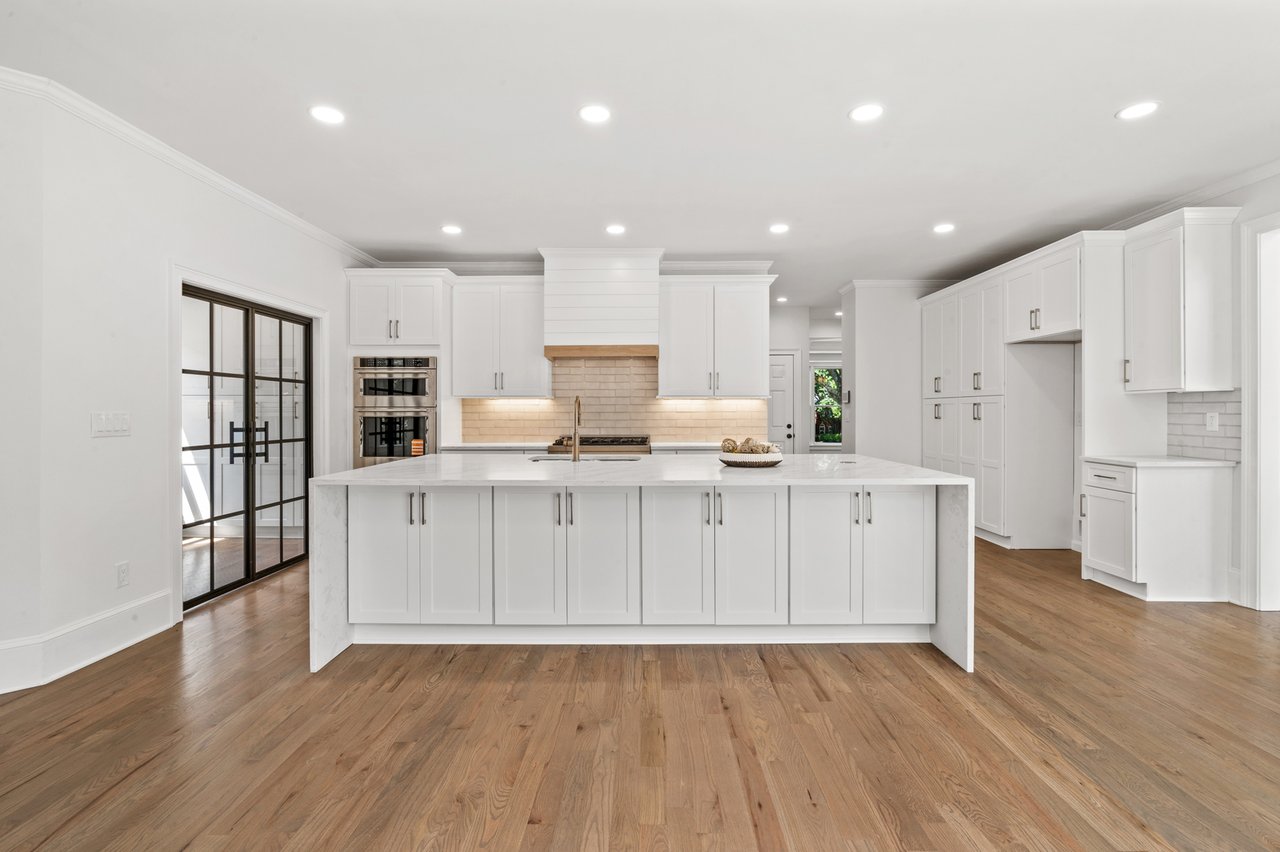
Photographs: a Roswell home Wesley Harper renovated in 2025. It has since sold and is not for sale.