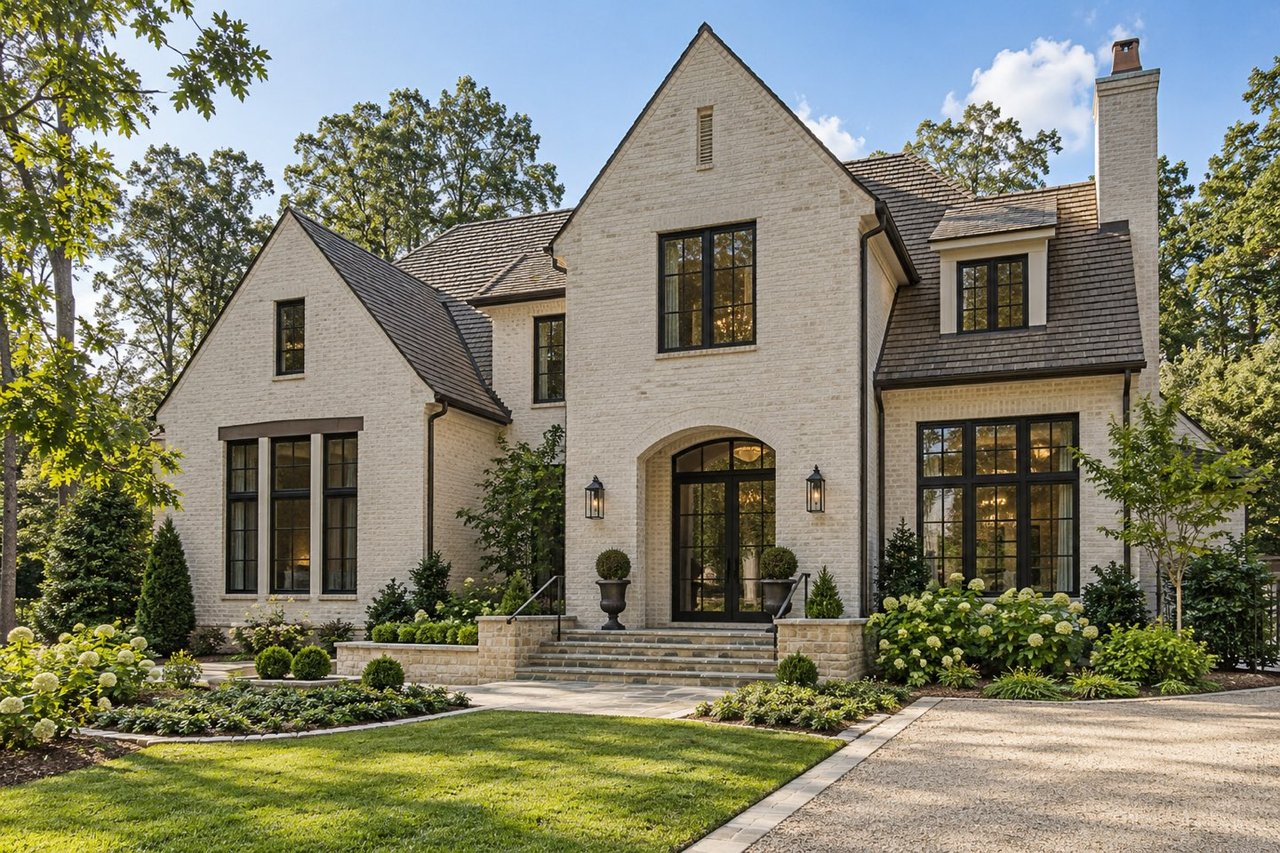
Hero and interior images are AI-created illustrations from Wesley Harper’s collection, not actual listings.
An online estimate can give an Alpharetta homeowner a useful starting point. It can also leave you with three different numbers and no clear explanation of which one should guide a sale.
Before choosing an asking price, ask what information produced the estimate, when that information was collected and how closely the comparison homes resemble yours. The useful result is a defensible range with an explanation you understand.
First, identify the kind of number you are looking at
An automated valuation model uses property information and market data to estimate value. An appraisal is a separate valuation prepared by an appraiser. Estimates can differ because they use different comparisons, dates or purposes. The Consumer Financial Protection Bureau explains these distinctions.
A proposed asking price is another decision: it is the price at which you choose to introduce your home to buyers. It needs to account for the property's likely position among the alternatives available when you list. Neither an estimate nor an asking price guarantees a sale result.

Illustrative interior details; not an actual listing or valuation comparable.
Build a property fact sheet before comparing prices
Gather the details that someone reviewing your home should know:
- Finished living area and the records supporting it, with basement space identified separately.
- Layout, bedroom and bathroom count, and where everyday living happens.
- Renovations, approximate completion dates and available permit records.
- Roof, HVAC and other major-system ages where documented.
- Lot characteristics, driveway, outdoor space and recurring ownership costs.
- Repairs a buyer is likely to notice and work you have already priced.
Keep an improvement list factual. “Kitchen renovated in 2022; invoices available” is more helpful than “completely updated.” A renovation budget is not proof of the amount buyers will pay for that work.
Ask why each comparable belongs in the analysis
A nearby sale can still be a weak comparison. When you review recent sales, ask how the property differs in layout, condition, lot, location and sale timing. Ask whether an unusual feature made the transaction less representative.
The CFPB explains how appraisals adjust for differences between a home and comparable local sales. For your own pricing discussion, ask for the reasoning behind the comparisons rather than focusing only on the resulting number.
In Alpharetta, begin with the address and competing homes rather than assuming that a city label or ZIP code defines one uniform market. A buyer considering a compact home near daily destinations may also compare townhomes; a buyer prioritizing a large lot may have a different shortlist. Your analysis should explain which alternatives are relevant to your particular home.
Use price per square foot as a question, not a pricing formula
If two homes have different layouts, condition or usable space, multiplying their price per square foot by your home's size can hide the very differences that matter. Ask whether the square-footage figures use the same definition and whether one sale includes features the other lacks.
A sensible review can show the metric while also explaining its limitations. Avoid taking a citywide median and treating it as a property-specific quote.
Separate the home's value from your sale proceeds
The amount a buyer pays and the cash you retain are different numbers. Before committing to a replacement home, request a seller net estimate with your mortgage payoff and transaction-specific costs. Use a range of possible sale outcomes so the plan does not depend on receiving the highest estimate.
Then compare your next-home options against the cash and monthly payment you would actually have available. If the sale and purchase overlap, include that temporary cost in the discussion.
A five-column worksheet for conflicting estimates
Record each estimate before comparing it. Use the same property facts and keep the date visible; an older result may reflect a different set of sales.
Estimate or review | Date produced | Property facts used | Comparison sales or method | Questions still open |
|---|---|---|---|---|
Online estimate A | Fill in | Size, beds, baths, updates | Record what the service discloses | Missing renovation or condition details? |
Online estimate B | Fill in | Check against the same facts | Record what the service discloses | Different date or comparison area? |
Local pricing review | Fill in | Confirmed facts and observed condition | Named comparable sales and competing listings | Which differences affect the range? |
Do not average the numbers simply because they disagree. First investigate the inputs. If a record contains an error, follow that provider's correction process and keep documentation of the correction. A corrected fact does not guarantee a particular estimate or sale price.
Bring three questions to the pricing appointment
- Which recent sales most strongly support the proposed range, and why?
- Which active alternatives will buyers compare with my home?
- What would cause us to revise the strategy after launch?
Agree on what you will monitor: qualified showings, buyer feedback, competing inventory and offers. Set a review point without assuming every property should follow the same timeline.
Start with your address and your goals
Use Wesley Harper's home valuation page to begin the conversation. Include your expected timing, significant improvements and any details an online estimate might need help interpreting. You can also call 404-800-7653 or email [email protected].
The goal is to understand the evidence well enough to make a confident decision about your own home.