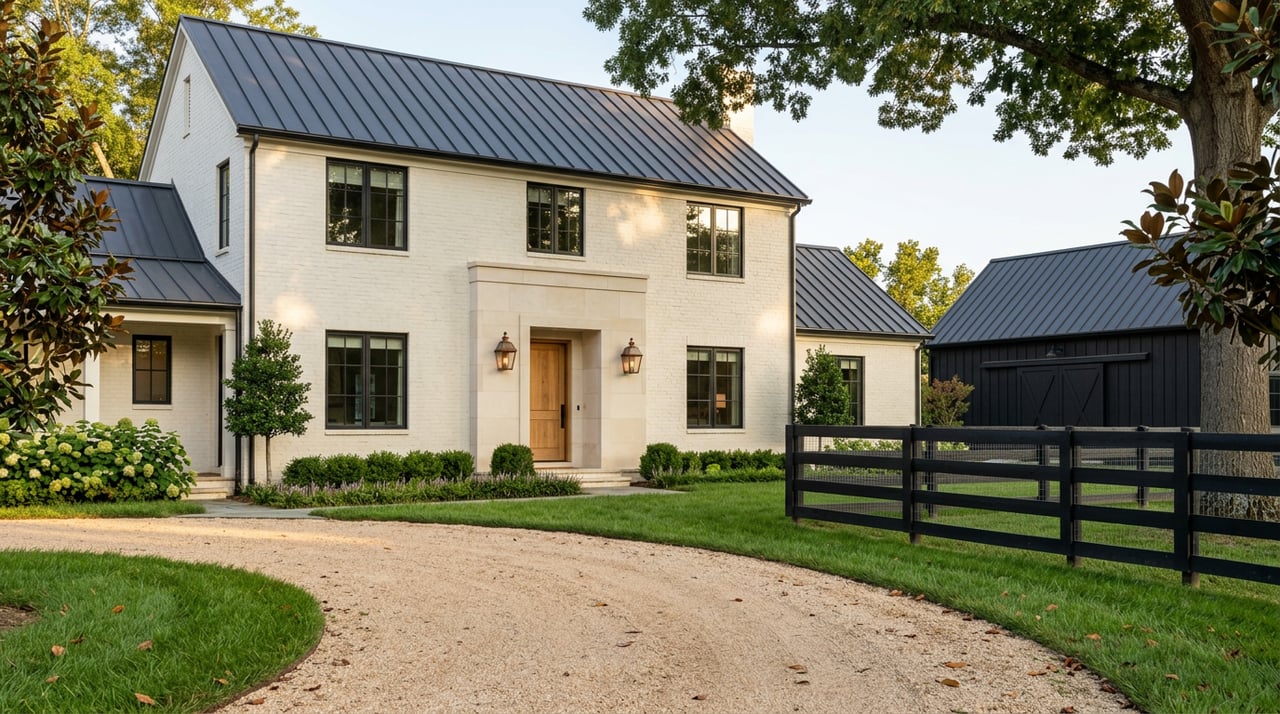
Ever picture your morning starting with a quiet walk to the barn, a coffee in hand, and open pasture just beyond your fence line? If you love the idea of space, privacy, and a horse-friendly lifestyle without leaving metro Atlanta behind, Milton may be the right fit. The city embraces its equestrian roots and continues to shape policies that protect large-lot living. In this guide, you’ll learn what daily life looks like, how the rules work, what properties cost, and the key steps to buy or sell with confidence. Let’s dive in.
Why Milton Fits Equestrian Life
Rural Identity with Metro Access
Milton sits in north Fulton County and keeps a low-density, rural feel across about 38.5 square miles. The U.S. Census estimates the population at about 41,490 as of July 2024, which supports a spacious community fabric rather than dense development. You will find the city actively promotes its horse culture through an Equestrian Committee and a public map of local barns and farms on the city’s equestrian community page. That support signals a long-term commitment to open space and equestrian life.
For a broader context, Census QuickFacts provides the latest population snapshot for Milton so you can see how it compares with nearby areas. Review the city profile on Census QuickFacts for current figures.
Clear Rules and A Unified Code
Milton consolidated its development rules into a single Unified Development Code in 2024. If you plan to build or modify a barn, arena, or other outbuildings, this is your starting point for definitions, setbacks, buffers, and permit pathways. The city also continues to explore policy tools that keep large-lot living viable through its Large Lot Incentives project. In these discussions, Milton uses a working definition of a large lot as 3 acres or larger.
Prices and What to Expect
Milton is an upper-end suburban market. Recent market snapshots show a median sale price of around 1.1 to 1.15 million dollars across all home types, while median listing prices often run higher, in the low to mid 1 million range. Equestrian and multi-acre estates vary widely. Smaller 1 to 2 acre estates often fall toward the lower end of local million-dollar pricing, while well-equipped horse properties with barns, arenas, multiple paddocks, and 10 or more acres can reach into the multi-million range. Exact values depend on acreage, improvements, location, and current inventory.
Property Types You’ll Find
- One to two-acre estate homes with privacy, long setbacks, and room for gardens, pools, or small accessory structures.
- Three to ten-acre hobby farms that may already be horse-ready with a barn, tack room, fencing, and space for a small arena or round pen.
- Ten-plus-acre properties suitable for training operations, with larger barns, covered arenas, multiple paddocks, and support buildings.
In Milton, equestrian properties sit among a mix of historic farms, estate neighborhoods, and some gated enclaves, which means the setting can feel rural while still being part of a larger community.
Daily life on a horse property
Picture your morning routine: feed, turnout, a quick stall check, and a quiet ride before work. Evenings tend to be bring-in time, checking water, fencing, and footing. On owner-managed hobby farms, you handle the chores yourself. On larger properties, a caretaker or staff may run the daily schedule.
Privacy comes from larger setbacks, tree canopy, and rolling topography, though your nearest neighbor might still be visible across pasture. The city continues to discuss vegetative buffers as part of its large-lot approach, which helps preserve the rural feel. For shopping and dining, Milton’s local nodes like Crabapple provide everyday convenience, while larger destinations remain close by. Get a feel for the balance of rural character and amenities on the city’s Why Milton page.
Zoning, Permits, and Tax Basics
What The UDC Covers
The Unified Development Code is your guide for accessory structures like barns, covered arenas, wash racks, and manure storage. It outlines setbacks, buffers, and environmental protections that can differ by parcel. If you plan changes, review the UDC and contact city planning staff for parcel-specific guidance before you draw plans or order materials.
Large-Lot Incentives to Watch
Milton’s ongoing Large Lot Incentives work explores ways to make large-lot ownership more practical. Potential items discussed include streamlined approvals for covered arenas on 10 plus acre parcels, design flexibility for stormwater, possible fee waivers for occupational tax certificates for commercial horse farms, and standardized pre-approved plans for small run-in sheds. Treat these as active policy discussions and verify the latest status with the city.
Taxes and Exemptions
If you are buying or selling a multi-acre property, factor in local taxes and potential exemptions. Milton outlines city millage and homestead exemptions on its property taxes page. For agricultural use, Georgia’s Conservation Use Value Assessment (CUVA) can reduce taxable value for qualifying parcels, and Milton references CUVA and conservation tools like Transfer of Development Rights in its large-lot materials. Consult Fulton County for CUVA eligibility and the City of Milton for TDR procedures.
Services that Support Your Barn
A practical equestrian lifestyle relies on nearby boarding, training, veterinary, and farrier services. The metro area includes multiple barns and trainers serving Milton and neighboring cities. Use regional directories, such as this list of riding lesson facilities, to start your search and contact barns directly to confirm availability and services.
Buyer Checklist for Equestrian and Estate Properties
- Lot and zoning review. Confirm the parcel’s zoning district, whether any CUVA or conservation easement applies, and what the UDC allows for barns and arenas. Start with the UDC and ask city staff parcel-specific questions.
- Utilities and wastewater. Many larger parcels use wells and septic systems. Plan a septic evaluation early, especially if multiple structures connect to the system. Learn more about local septic considerations from a Milton-area provider such as Septicrooter.
- Barn and arena inspection. Bring in an equine-savvy inspector or contractor to review roof, ventilation, electrical, water lines, stall size, drainage, and footing. For arenas, evaluate base, footing mix, grading, and irrigation.
- Insurance and lenders. Ask lenders and insurers how acreage, outbuildings, and any commercial activity may affect loan terms or coverage. If you plan commercial boarding, confirm any licensing steps with the city and verify whether any incentives are current.
- Taxes and exemptions. Review Milton’s property tax details and inquire with Fulton County about CUVA if you expect bona fide agricultural use.
Seller Tips to Capture Value
- Document what matters. Gather permits, surveys, site plans, well and septic records, and maintenance logs for barns, fencing, arenas, and drainage.
- Showcase land and improvements. Present recent photos of pastures in different seasons, highlight professional arena footing or irrigation, and map paddocks, water sources, and access points.
- Clarify use and compliance. If the property operates under CUVA, TDR, or other constraints, prepare clear documentation so buyers can plan accordingly.
- Prepare for inspections. Address obvious repairs for roofs, gutters, grading, electrical safety in the barn, and stall hardware. A pre-listing check can smooth buyer due diligence.
How I Help You Buy or Sell Here
You deserve guidance that understands both the lifestyle and the structures that support it. With a construction-informed approach, I help you evaluate barn integrity, arena footing and drainage, pasture layout, fencing, utility capacity, and how the UDC may shape future improvements. If you are selling, I advise which upgrades or repairs deliver the best return and how to position your acreage, improvements, and records so buyers recognize value.
If you are planning a move, reach out for a brief consult on timeline, costs, and options. If you already own in Milton and want to understand today’s value, request a free data-backed valuation.
Ready to talk next steps? Connect with Wesley Harper to get a focused plan for buying or selling in Milton’s equestrian and estate communities.
FAQs
Can You Keep Horses on Residential Property in Milton?
- Yes. Milton publicly supports equestrian life and maintains a dispersed network of horse farms. Specific rules for animal counts, setbacks, and structures come from the Unified Development Code and the city’s equestrian community page.
What Counts as A “Large Lot” in Milton Policy Terms?
- For its Large Lot Incentives work, the city uses 3 acres or larger as the working definition of a large lot. See details on the Large Lot Incentives page.
What Do Milton Horse Properties Cost in 2026?
- Market snapshots show median sale prices near 1.1 to 1.15 million dollars across all home types, with median listing prices often higher. Horse-ready and multi-acre estates can command premiums based on acreage and improvements.
How Hard Is It to Add a Covered Arena or New Barn?
- Requirements depend on your parcel’s zoning and current rules in the Unified Development Code. The city has explored incentives like streamlined approvals for covered arenas on 10 plus acre parcels through its Large Lot Incentives project, so verify the latest process with planning staff.
Are There Tax Benefits for Agricultural Use in Milton?
- Qualifying parcels may benefit from Georgia’s CUVA program, which can reduce taxable value, and Milton references conservation tools like TDR in its large-lot materials. Review Milton’s property tax information and consult Fulton County and the city for current eligibility and procedures.