If you are deciding between a home on acreage and a home in a neighborhood in Milton, you are not just choosing a house. You are choosing how you want to live day to day, how much land responsibility you want, and what kind of access matters most to you. In Milton, that choice is especially meaningful because both lifestyles are built into the city’s long-term plan. This guide will help you compare the two clearly so you can focus on the fit that makes the most sense for you. Let’s dive in.
Why This Choice Matters In Milton
Milton is not a place where acreage is rare or pushed to the edges. The city’s planning materials show that preserving rural landscape and character is a core goal, and more than 90% of Milton’s land is designated for low- or very low-density residential use.
That matters because acreage living in Milton is not an outlier. It is part of the city’s intended land-use pattern, while more connected neighborhood and amenity-centered living tends to cluster around areas like Crabapple and Deerfield along Highway 9.
What Acreage Living Means In Milton
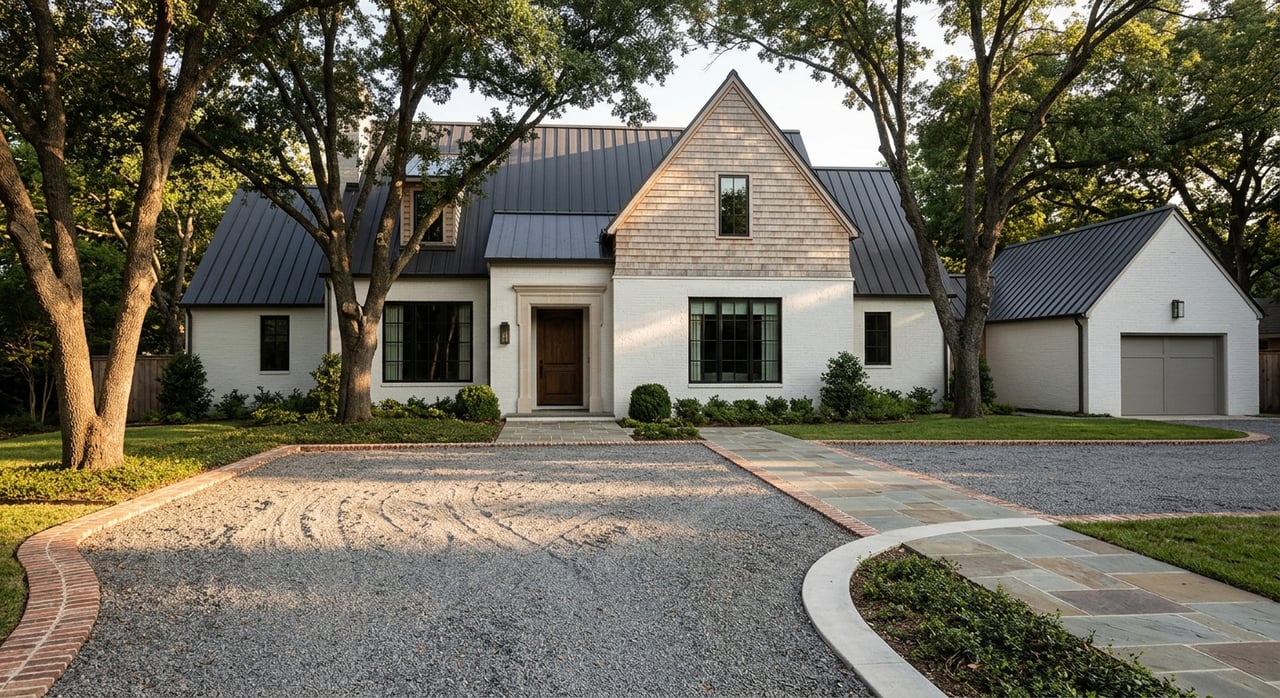
If you picture open space, fewer nearby homes, and more room for outbuildings or hobby uses, Milton does offer that path. The city’s AG-1 zoning district covers a large share of Milton and reflects the community’s rural framework.
Milton says future AG-1 lots generally must be at least 1 acre, with a 150-foot minimum lot width at the building line for most new AG-1 lots. The city has said that standard is meant to reduce the appearance of density and help protect Milton’s rural look and feel.
Acreage Is Part Of Milton’s Identity
City leaders have repeatedly described large lots and rural character as part of Milton’s identity and appeal. Milton has also noted strong market demand for large lots and has adopted rules intended to support the visual openness that many buyers want.
For some buyers, that translates into privacy, flexibility, and breathing room. It can also support uses that feel more natural on a larger lot, such as detached structures or small hobby-farm setups where zoning and permitting allow.
Acreage Comes With More Site Questions
The tradeoff is that land itself becomes a bigger part of your decision. On an acreage property, you usually need to look more closely at utilities, driveway access, tree impacts, stream buffers, and where additional improvements may or may not fit.
That is one reason this choice deserves a careful review before you buy. A beautiful lot may still come with practical limits that affect how you use it later.
What Neighborhood Living Means In Milton
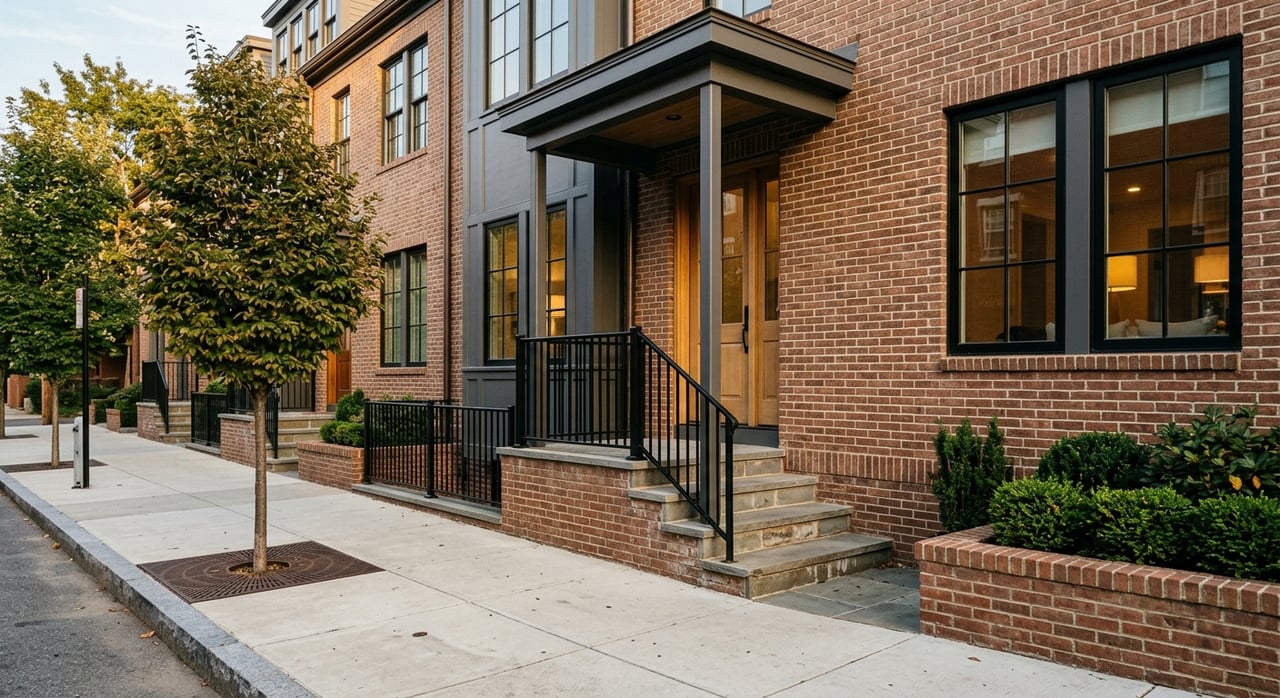
Neighborhood living in Milton often appeals to buyers who want a more predictable ownership experience. In the city’s more connected areas, you are more likely to find easier access to public recreation, sidewalks, trails, event spaces, and mixed-use districts.
Milton’s planning and transportation materials show that Crabapple and Deerfield are the places where the city has intentionally concentrated more pedestrian-oriented redevelopment, trails, plazas, and related infrastructure. That gives those parts of Milton a different feel than a more tucked-away open-road property.
Public Amenities Can Shape Daily Life
Milton’s parks system is a real advantage for many homeowners. The city says it offers several active-use parks with fields, playgrounds, trails, programs, and events.
A strong example is Milton City Park and Preserve. According to the city, 130 of its 137 acres are passive preserve land with trails and no new development, while the active area includes the pool, tennis center, and community center.
Connected Areas Feel More Amenity-Rich
The Market District Crabapple area adds another layer to neighborhood living. The city describes it as a commercial district with restaurants, studios, offices, and recurring events, which can make nearby neighborhoods feel more connected to everyday conveniences and local activities.
For some buyers, that convenience is the deciding factor. You may prefer a home where the land asks less of you and the surrounding area offers more structured access to recreation and gathering spaces.
Utilities Are A Key Difference
One of the first questions to ask on any Milton property is simple: what serves the lot? Water and sewer service in Milton are handled through Fulton County, and the county states that it provides water and sewer service to Milton.
At the same time, Milton notes that sewer expansion in rural areas was intentionally limited to help preserve low-density development patterns. That means you should not assume that a rural-looking property has the same utility setup as a home in a more connected neighborhood.
Septic Is Possible, But Not Automatic
A rural-looking lot does not automatically mean septic. Sewer availability needs to be verified for the specific property.
If a property is not served by public sewer, Fulton County Board of Health says it will use an individual on-site sewage management system, commonly called septic, and the county reviews and inspects those systems as part of development oversight. That makes utility verification an early step, not a detail to sort out later.
Driveway And Access Can Be Bigger On Acreage
Access tends to be more straightforward in a typical subdivision than on an open-road property. On acreage, the driveway itself can become an important part of your due diligence.
Milton requires a right-of-way encroachment permit for work in the right-of-way, including driveway work. The city also has a specific residential driveway permit process for properties that are not within a subdivision.
Open-Road Lots Need More Review
If you are considering acreage, pay close attention to how the home connects to the road and what changes might require approval. In some cases, site work may also overlap with utility coordination through Fulton County.
This does not mean acreage is a bad choice. It simply means your land decision and your house decision are closely tied together.
Outbuildings And Improvements Matter More On Large Lots
One of the biggest draws of acreage is the possibility of adding features later. You may be thinking about a barn, detached garage, shed, pool cabana, or another accessory structure.
Milton’s permit process is clear on this point. The city requires permits for storage buildings, sheds, detached accessory structures, and major utility or mechanical changes, and it maintains a residential accessory-structure checklist.
Trees And Buffers Can Affect Your Plans
Even if a lot feels large, not every part of it may be equally usable. Milton has a tree canopy ordinance and stream-buffer protections that can affect how much of a property can be cleared or improved.
The city says its tree ordinance is meant to maintain canopy while recognizing pastures and farmland as part of Milton’s heritage. For buyers, that means the buildable or improvable area of a lot should be confirmed rather than assumed.
Some Lot Problems Are Not Easily Fixed
This is an important point for acreage buyers. Milton’s zoning staff says variances cannot be used to waive use, minimum lot area, or minimum lot frontage requirements.
In plain terms, if a lot has a configuration problem, you may not be able to solve it later through a variance request. That makes upfront review especially important when you are buying for future flexibility.
Commute And Convenience Feel Different
Lifestyle fit often comes down to what you want your weekly routine to feel like. A tucked-away property may offer more privacy and separation, while a neighborhood closer to Crabapple, Deerfield, or a major corridor may offer a smoother rhythm for errands, recreation, and getting around.
Milton also notes that Highway 9 and State Route 372 are state routes overseen by GDOT rather than the city. For you, that is a reminder that road access and corridor conditions can influence the experience of one location versus another.
Even Local Mobility Can Vary
Milton’s transportation planning reflects a wide range of users, including drivers, pedestrians, cyclists, transit users, personal transportation vehicles, and horses. The city also allows licensed drivers to operate personal transportation vehicles on roads with speed limits of 25 mph or below, though crossings of certain state roads require a GDOT-reviewed plan.
That may not matter to every buyer, but it adds to the contrast between connected district living and more isolated acreage living. In some parts of Milton, getting around can feel more integrated with the surrounding area.
Resale Often Depends On Buyer Fit
Both property types can be strong choices in Milton, but they usually appeal to different buyers. Acreage can be especially compelling for buyers who want privacy, room for detached structures, or a property that better supports hobby-farm style uses where allowed.
At the same time, the buyer pool can be narrower because those homes often come with more questions about utilities, access, trees, and permitting. A neighborhood home often has the opposite profile, with a broader audience and a more predictable ownership setup.
How To Decide What Fits You Best
If you are weighing acreage versus neighborhood living in Milton, start with how you want to use the property rather than with a generic idea of value. The right answer depends on your routine, your tolerance for land management, and whether flexibility or convenience matters more to you.
Acreage may be a better fit if you want:
- More separation from nearby homes
- Space for accessory structures, subject to permits and site limits
- A property that aligns with Milton’s rural character
- Room for uses that feel more natural on a larger lot
Neighborhood living may be a better fit if you want:
- Easier access to parks, trails, and public amenities
- A more predictable utility and access setup
- Closer proximity to districts like Crabapple or Deerfield
- A home that may appeal to a broader resale audience
The best Milton decisions usually come from matching the property to your real-life priorities. That is where construction-informed and land-aware guidance can make a big difference, especially when a lot’s future potential is part of the value.
If you want help comparing specific properties in Milton, Wesley Harper can help you look beyond the listing photos and evaluate the practical details that shape long-term fit, flexibility, and resale.
FAQs
Is acreage living common in Milton, Georgia?
- Yes. Milton’s planning materials show that low- and very low-density residential land makes up more than 90% of the city, and acreage living is part of the city’s intended pattern rather than a rare exception.
Does a rural-looking Milton property always use septic?
- No. Water and sewer service should be verified for the specific property. If a property is not on public sewer, Fulton County Board of Health says it will use an individual on-site sewage management system.
Can you add a barn or detached garage on a Milton acreage property?
- Possibly, but only if the property can meet Milton’s permit and site requirements. The city requires permits for detached accessory structures and related improvements.
Are driveway changes easier in a Milton subdivision than on an open-road lot?
- Often yes. Milton requires right-of-way permitting for driveway work, and it has a specific residential driveway permit process for properties outside subdivisions.
Do neighborhood homes in Milton offer better access to amenities?
- In many cases, yes. Milton has concentrated more pedestrian-oriented infrastructure, parks, trails, and gathering spaces around areas like Crabapple and Deerfield.
Can a zoning variance fix any lot issue on a Milton acreage property?
- No. Milton says variances cannot be used to waive use, minimum lot area, or minimum lot frontage requirements, so some lot limitations may not be fixable later.